
Why the Mort & Co sale matters to the grain industry
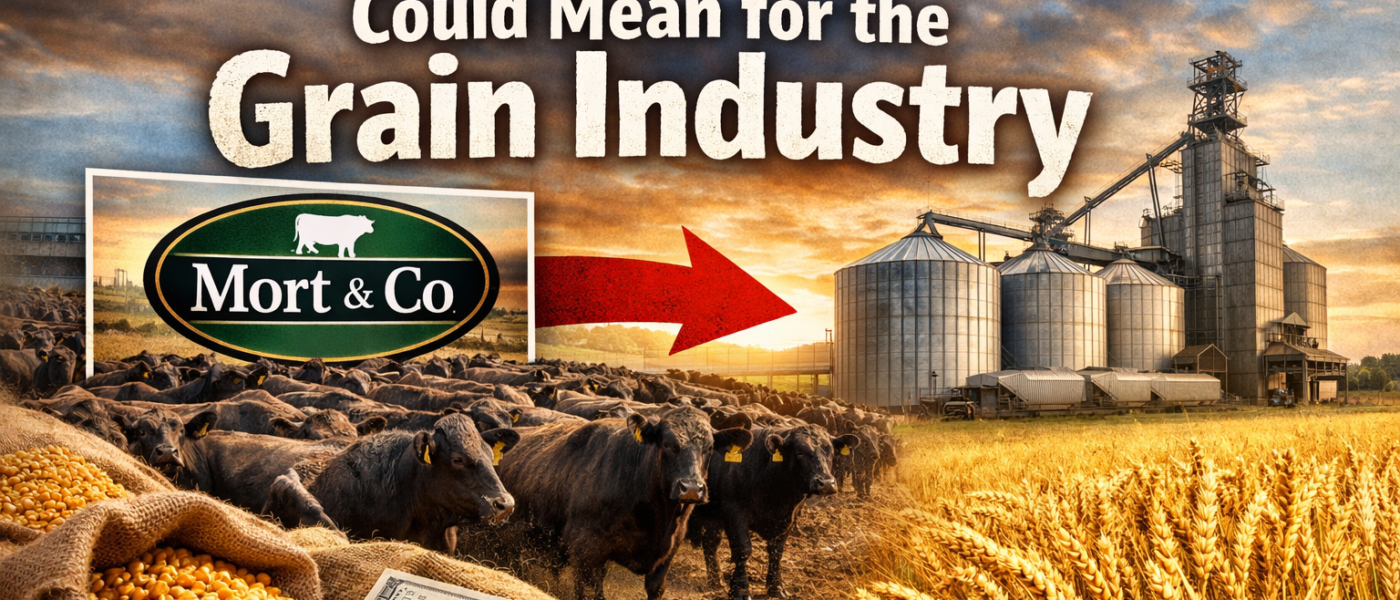
Mort & Co’s decision to take the remaining business to market is one of the more important recent developments for the eastern Australian feedgrain sector. Reporting on 14 and 15 April 2026 says the company is now pursuing a sale of the broader business, including Grassdale, after previously selling down other assets in late 2025. Beef Central says the sale process is being handled through LAWD, while ABC Rural reported that most of the company’s assets are being marketed after 29 years in business.
From a grain perspective, this is not just a cattle story. It is a feedgrain-demand story. Grassdale, near Dalby, is widely regarded as one of the country’s biggest grain-consuming feedlot assets, and the broader Mort & Co platform has been tied closely to grain procurement, freight coordination and fertiliser-backload programs linked to growers.
A sale does not automatically mean less grain demand
The first thing grain growers tend to ask is whether a sale like this threatens feedgrain demand. At this stage, there is no strong evidence that it does. The sale is being framed around growth, scale and future investment rather than a breakdown in the underlying operating model. Beef Central reported CEO Stephen O’Brien saying the business was at one of its most successful points and could be taken further under new ownership, while ABC Rural said the move comes as global demand for grain-fed beef remains strong.
That matters because a change in ownership is very different from a collapse in demand. Feedlots of this scale do not stop needing ration inputs because the shareholder register changes. If anything, continuity usually becomes more important during a transaction. The more realistic near-term view is that the grain task remains, but the way grain is sourced and managed could shift.
The real issue for growers is how grain will be bought
For grain growers, the biggest question is probably not whether Mort & Co’s operations will still need wheat and barley. They almost certainly will. The more important question is whether a new owner keeps a direct-to-grower style of procurement, leans more heavily on traders, or centralises buying in a different way.
That question matters because Mort & Co had already been experimenting with a more direct supply-chain model. Grain Central reported in August 2025 that Mort & Co was buying some grain requirement direct from growers through a program with Boolah, using grain deliveries into feedlots and fertiliser backloads to growers as part of a circular logistics model. That arrangement linked grain, freight and fertiliser in a way that was highly relevant to growers in the region.
A new owner may keep that model, expand it, simplify it, or replace it with something more conventional. So the likely impact on grain is less about the physical need for feedgrain and more about procurement style, counterparties, pricing signals and logistics execution.
Why Grassdale matters so much to the Darling Downs grain market
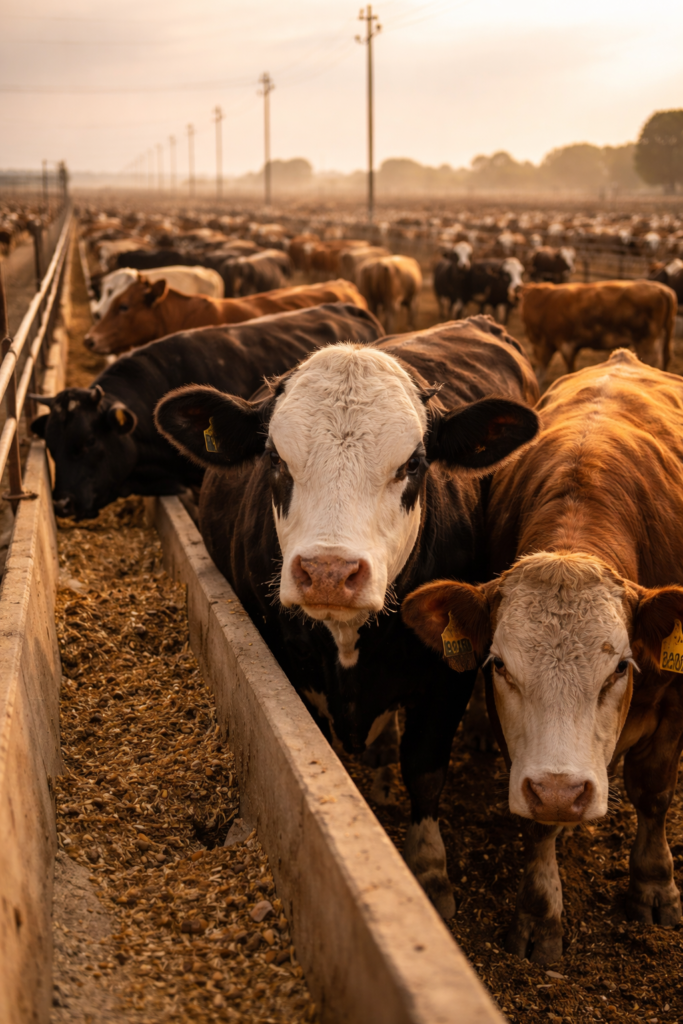
Grassdale is not just another feedlot on the map. It is one of the biggest grain-consuming assets in the region, and that matters on the Darling Downs where local grain values are influenced not only by export pathways and domestic mills, but also by lotfeeders competing for feed wheat, barley and other ration inputs. ABC Rural described Grassdale as the country’s largest feedlot with capacity of 78,000 head, and Grain Central’s earlier reporting on the Boolah program showed how closely the site was tied into grain movement from farm to feedlot.
That means the sale has the potential to influence local buying behaviour even if total grain usage stays broadly similar. A more aggressive buyer could sharpen local competition. A more centralised buyer could change how growers engage with the business. A more trader-led model could shift volume away from direct procurement. The important point is that ownership structure can influence market behaviour even when physical grain demand remains strong.
The earlier 2025 asset sales gave an early signal
This latest move did not come out of nowhere. On 27 October 2025, Mort & Co announced it would sell Pinegrove, Yarranbrook and its interest in the Gogango greenfield feedlot site after its capital-raising process failed to secure a suitable whole-of-business equity offer. At that point, the company said Grassdale and the broader Mort & Co operating business would continue.
That earlier announcement now looks like the first step in a broader restructuring rather than the final shape of the plan. For grain readers, that matters because it shows this has been an evolving capital and ownership story, not a sudden operational shock. The grain market usually reacts differently to a staged ownership reshuffle than it does to a genuine demand collapse.
The fertiliser carve-out is worth watching too
Another detail that grain people should notice is that the fertiliser business is reportedly not part of the current sale package. That is important because Mort & Co has invested heavily in turning feedlot manure into fertiliser products and linking that capability back to growers. Beef Central’s sale coverage said the fertiliser business was excluded, while Grain Central reported in April 2026 on the upgraded fertiliser facility and its role in reducing reliance on urea and improving soil outcomes for users.
That carve-out could matter because one of the more interesting parts of the Mort & Co model, from a grain-farm perspective, has been the overlap between feedgrain intake and fertiliser outflow. If ownership of the feedlot platform and ownership of the fertiliser business are separated, the commercial relationship between those two parts of the chain may eventually change, even if they continue to work together.
What is most likely to change first
The most likely early changes, if they come, are not tonnage changes but commercial-process changes. Growers and grain businesses are more likely to notice different buying contacts, different contract styles, different freight coordination, or different timing in bids than they are to see immediate changes in physical feed use.
That is because assets like Grassdale have value precisely because they are operating, integrated, grain-consuming businesses. Recent reporting presents the sale as an opportunity for expansion under new ownership, not as a retreat from grain-fed beef.
What grain growers should take from it
For growers, the practical takeaway is fairly simple. This is a story to watch closely, but not one to panic over. If you supply grain directly into feedlot channels, watch for changes in procurement relationships and payment pathways. If you are in the Darling Downs market more broadly, watch how bids, freight programs and local demand signals evolve once buyer interest becomes clearer.
The bigger point is that this sale reinforces how important integrated feedgrain demand has become in eastern Australia. Mort & Co’s value is not just in cattle numbers or real estate. It also sits in the grain, freight and feeding system wrapped around those assets. That is why this is not only a beef headline. It is a grain industry story too.