Overview
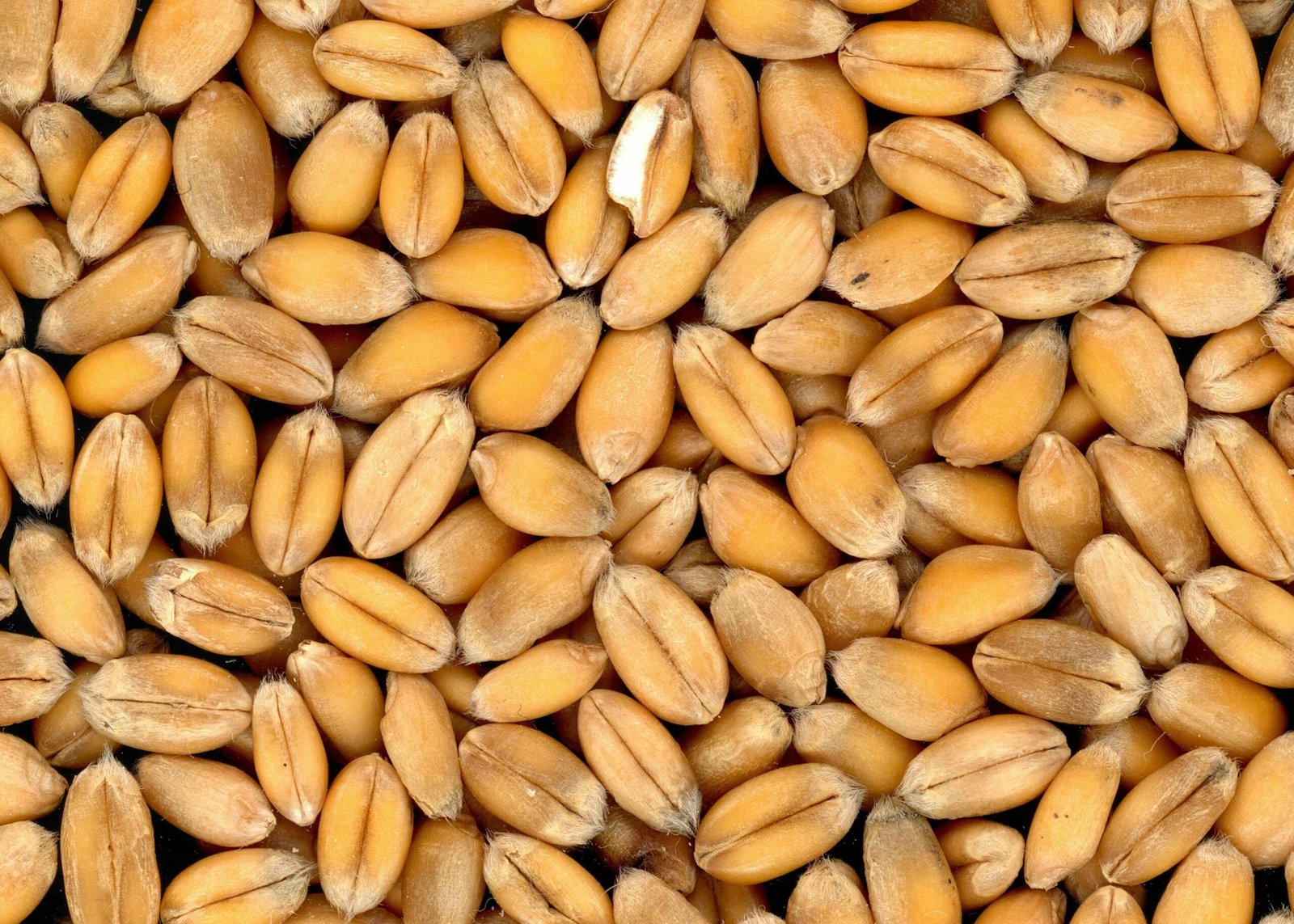
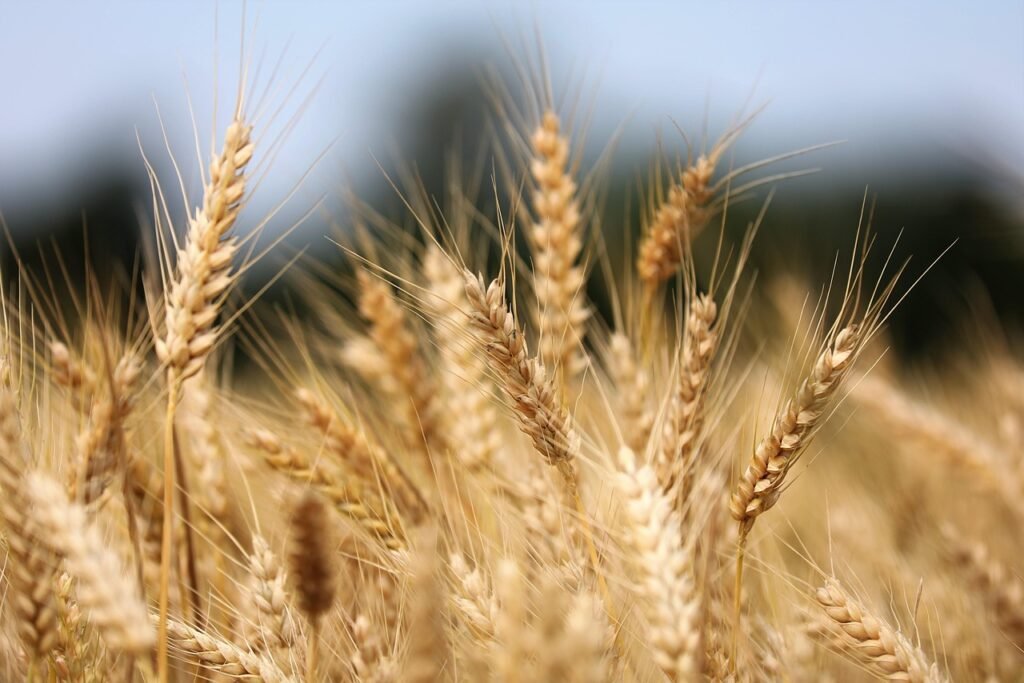
Wheat is the foundation of Australian broadacre agriculture and among the world’s most important food grains. In a typical season, Australia produces between 25 and 35 million tonnes, though exceptional years — like 2020-21 — have seen crops approach or exceed 36 million tonnes. Western Australia accounts for roughly half of national production, followed by New South Wales, South Australia, Victoria and Queensland.
Australian wheat is internationally renowned for its consistent milling quality, low screenings and reliable protein levels. These qualities have secured long-standing relationships with millers in Indonesia, Japan, South Korea, the Philippines and throughout the Middle East — markets that pay premium prices for Australian grades.
Growing Regions
The WA Wheatbelt stretches from Esperance in the south to Geraldton in the north — a vast crescent of sandy loam soils ideal for wheat. In NSW, the Riverina, Central West and northern districts are key zones. SA’s mid-north and Eyre Peninsula, Victoria’s Wimmera and Mallee, and southern Queensland’s Darling Downs round out the national production map.
🌾 Production Average
Australia typically produces 25–35 million tonnes of wheat annually. The record crop of 36.3 million tonnes was achieved in the 2020-21 season following a strong La Niña event delivering above-average rainfall across eastern growing regions.
🧬 Winter vs Spring Types
Australian wheat is predominantly winter-type (requiring vernalisation), but spring wheat is grown in warmer northern regions of QLD and NSW. Breeders continually develop varieties suited to Australia’s diverse growing environments and disease pressures.
🌧️ The Rainfall Challenge
Most Australian wheat is dryland grown with 250–500mm annual rainfall. Seasonal variability is extreme — a wet La Niña year can produce double the grain of a drought year. Water use efficiency is a primary breeding and management objective.
🚜 Typical Farm Gate Yield
Australian dryland wheat averages 1.5–2.5 tonnes per hectare, well below the global average, reflecting the low-rainfall environments. However, low input costs and large scale make it economically viable and internationally competitive.
| Grade | Protein Min | Key Characteristics | Primary Markets |
|---|---|---|---|
| Australian Hard (AH) | 11.5%+ | High protein, strong gluten; premium milling wheat | Japan, South Korea, Middle East |
| Australian Prime Hard (APH) | 13.0%+ | Highest protein tier; very strong dough | Blending wheat for premium bakers |
| Australian Premium White (APW1) | 10.5%+ | Reliable medium protein; noodle wheat | Indonesia, SE Asia, Japan |
| Australian Standard White (ASW1) | No minimum | Lower protein, soft flour applications | SE Asia, Middle East |
| Australian Noodle Wheat (ANW1) | 9.5%+ | Specific starch and protein profile for noodles | Japan, China |
| Australian Soft (ASFT1) | 8.5%+ | Low protein, soft endosperm; biscuit wheat | Domestic, SE Asia |
| Feed Wheat (F1) | No minimum | Fails milling specs; stockfeed use | Domestic feedlots |