Overview
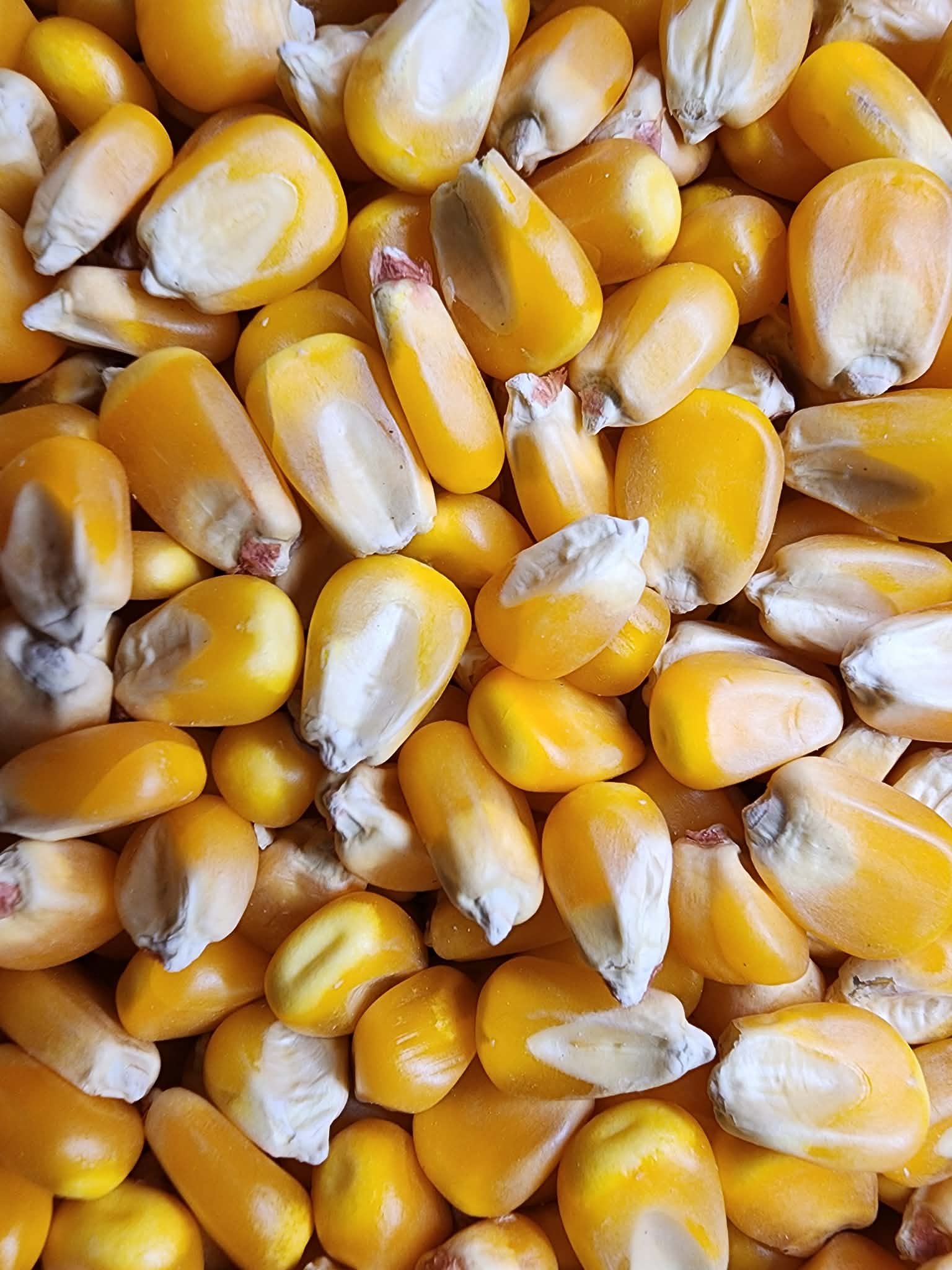
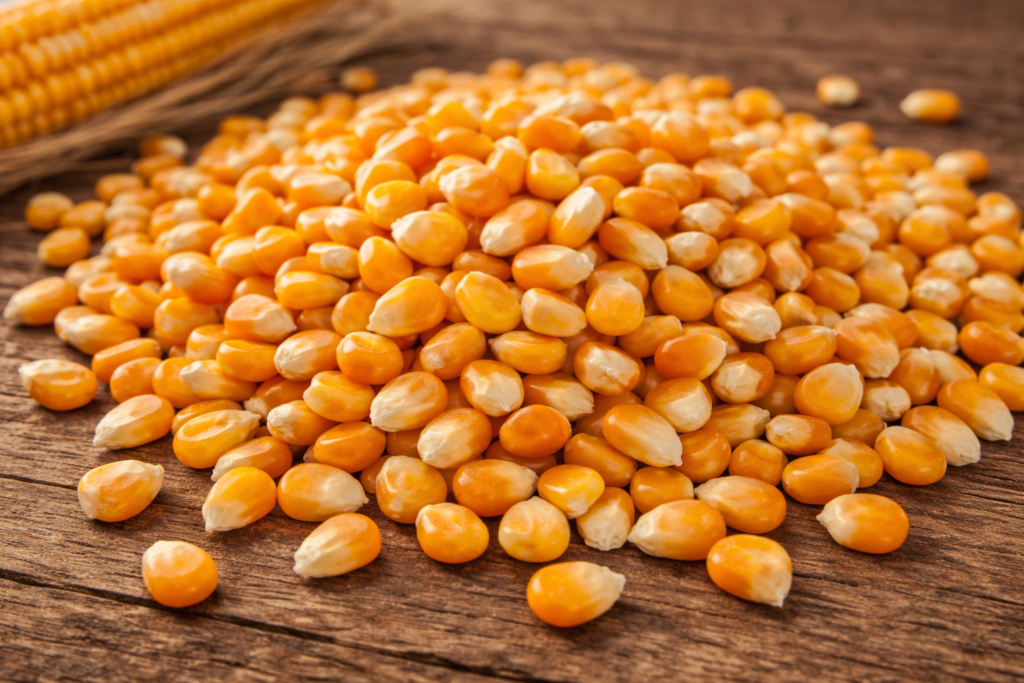
Maize (corn) is Australia’s most important summer cereal grain, though its national production is modest by global standards — typically between 300,000 and 500,000 tonnes annually. However, within Australia’s domestic feed grain and food markets, maize is highly valued and important.
Most Australian maize is grown under irrigation, which explains its concentration in the high-rainfall or irrigation-capable zones of the Darling Downs and Central Queensland. The Murray-Darling Basin in northern NSW also supports irrigated maize production.
Key Growing Regions
The Darling Downs in southeastern Queensland is Australia’s premier maize-growing region – with deep, fertile black soils, warm summers and access to irrigation water. Central Queensland’s Fitzroy Basin is the other significant production zone.
🌽 GM vs Non-GM
Australia permits the importation of processed products made from GM maize. However Australia does not allow GM maize to be grown and produced here.
💧 Water Efficiency
Maize is a relatively thirsty crop, requiring 500–800mm of water over the growing season. Drip and furrow irrigation systems have improved water use efficiency significantly. Competition for irrigation water with cotton is an ongoing challenge.
🐛 Pest Pressure
Fall armyworm (Spodoptera frugiperda), which arrived in Australia in 2020, has become a major pest of maize. Integrated pest management is increasingly important as resistance to some insecticides develops.
📊 CBOT Price Influence
Australian maize prices are heavily influenced by Chicago Board of Trade (CBOT) corn futures, adjusted for freight, currency and basis. Local supply-demand imbalances drive basis movements, particularly in drought periods.