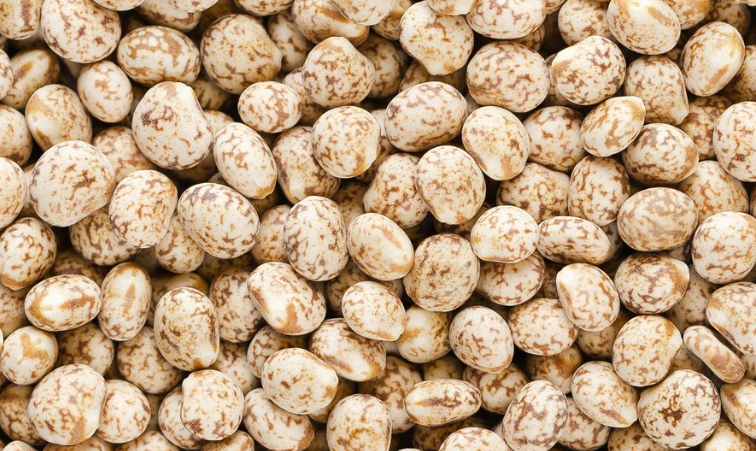
Overview
Lupins occupy a unique place in Australian agriculture — a pulse crop that has been specifically bred and adapted for Australian conditions, particularly the acidic, low-phosphorus sandy soils of the Western Australian wheatbelt. Australia produces approximately 600,000 to 1 million tonnes annually, with Western Australia contributing around 85% of national output.
The development of sweet (low-alkaloid) lupin varieties by the WA Department of Agriculture from the 1960s onwards is one of Australian agricultural science’s great success stories. Prior to this work, lupins contained bitter, toxic alkaloids that made them unsuitable for livestock feed.
Lupins in the WA Farming System
In WA, lupins are typically grown in a two-year rotation with wheat — wheat one year, lupins the next — over millions of hectares of wheatbelt country. Lupins break the cereal disease cycle, fix nitrogen (typically 50–150 kg N/ha), and improve soil structure through their tap root system.
🔬 The Alkaloid Issue
Bitter lupins contain quinolizidine alkaloids which are toxic to livestock and humans. Sweet (low-alkaloid) varieties bred in Australia contain less than 0.02% alkaloids — safe for animal consumption. Human food products must be carefully labelled as some people have lupin allergy.
🌍 European Feed Market
Europe is the primary export destination for Australian lupins, driven by demand from pig and poultry industries as a non-GM, sustainable protein source. Germany, the Netherlands and Italy are the largest buyers.
💊 Human Health Benefits
Lupin grain contains exceptional nutritional properties: high protein (30–36%), high dietary fibre, low starch, low glycaemic index and prebiotics. Research has associated regular lupin consumption with cardiovascular health benefits and improved glycaemic control.
🐑 Sheep Feed Specialist
In WA, lupins are extensively fed whole to sheep as a high-energy, high-protein supplement during dry conditions. Lupin feeding dramatically improves ewe condition, lamb survival and fleece weight.