Overview
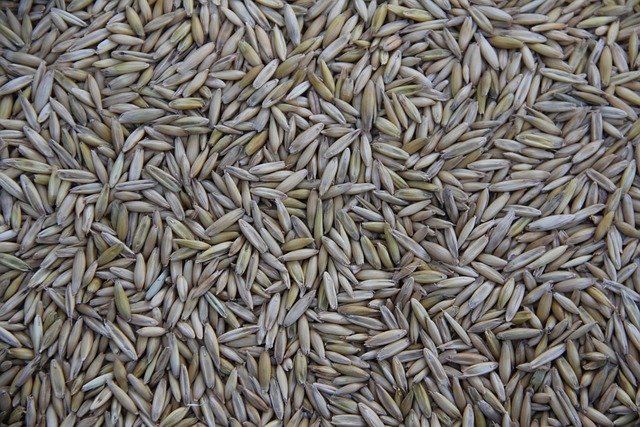
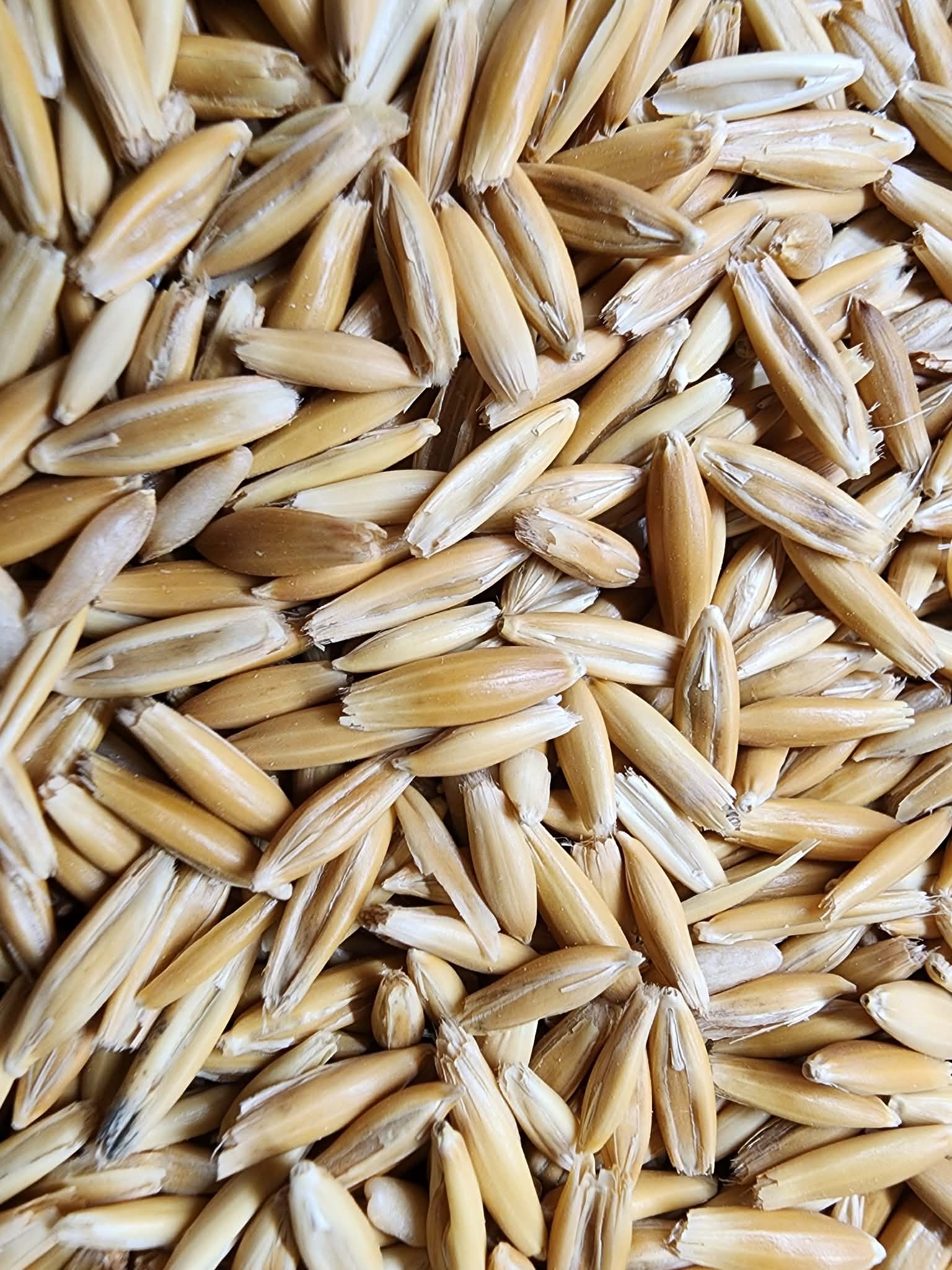
Oats are Australia’s third most significant winter cereal, with national production typically ranging from 1.0 to 1.5 million tonnes annually. South Australia is the leading state, followed by Western Australia and Victoria. While oats may not match wheat and barley in total volume, they occupy an important niche as a versatile crop suited to both grain and hay production.
The oat market in Australia is divided between milling oats (destined for human food products) and feed oats (used for stockfeed). A third significant sector is oat hay — cut before grain fill — which commands strong domestic and export prices, particularly to Japan and the Middle East.
The Milling Oat Premium
Milling oats must meet strict specifications: kernel content above 68–72%, test weight above 52–55 kg/hl, low hull content and freedom from sprouting, ergot and other defects. Meeting milling specifications can earn a premium of $30–80/t over feed grade.
🌾 Oat Hay Export Boom
Australian oat hay is highly sought after in Japan for racehorse and dairy feed. Premium clean, green oat hay bales can achieve $400–600/t FOB, making hay production highly lucrative in suitable environments.
🥛 Oat Milk Growth
The oat milk category has grown explosively globally since 2018. Australian oat millers are positioning to supply this growing market for food-grade oat varieties with specific starch and beta-glucan profiles.
🦠 Crown Rust Risk
Crown rust (Puccinia coronata) is the most economically damaging disease of oats in Australia. Timely fungicide applications and resistant varieties are essential for protecting yield and maintaining milling quality.
🐎 Racehorse & Stud Feed
Feed oats are the traditional high-energy feed for horses, and the Australian thoroughbred and standardbred racing industries consume significant volumes of rolled or whole oats annually.