Overview
Chickpeas are Australia’s most important pulse crop by both volume and export value. Annual production is highly variable, ranging from as low as 400,000 tonnes in drought-affected years to over 1.5 million tonnes in favourable seasons. Queensland is the dominant production state, accounting for roughly half of national output.
Australia is a major global exporter of both Desi and Kabuli chickpeas, competing primarily with Canada, India and Myanmar in international markets. Approximately 85–90% of Australian chickpea production is exported, with India historically the largest single buyer.
Desi vs Kabuli: Two Market Types
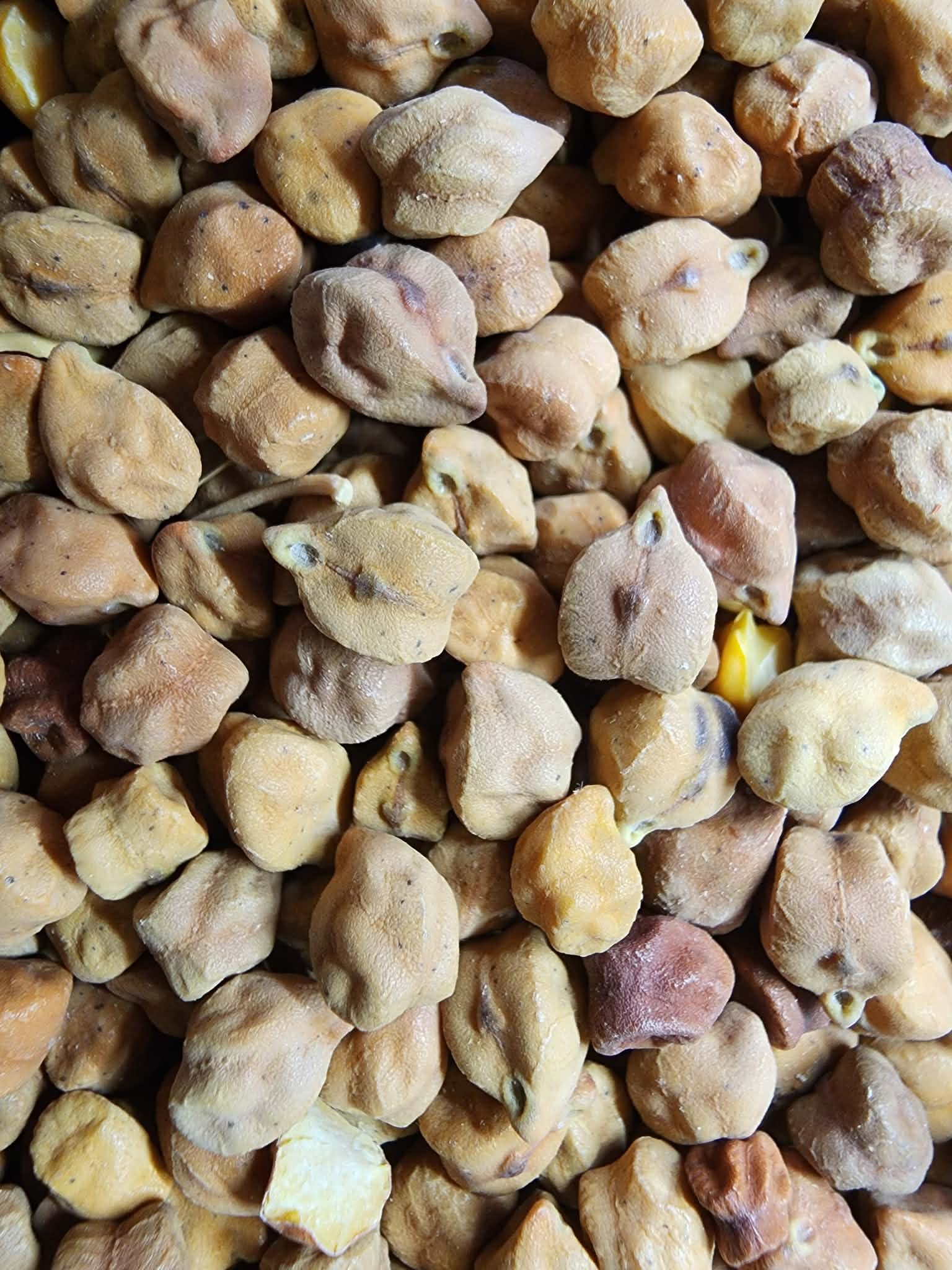
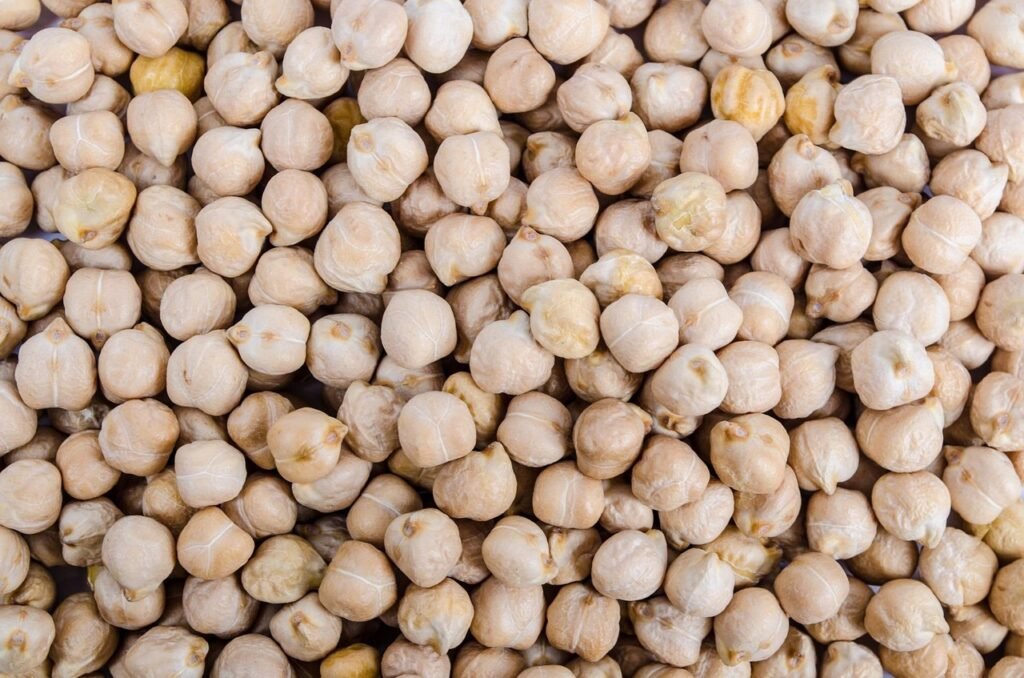
Desi chickpeas are small-seeded, angular, with a dark-coloured seed coat — grown in QLD and northern NSW, used for dhal and chickpea flour in the Indian subcontinent. Kabuli chickpeas are larger, cream-coloured and round — grown in the southern cropping belt, they command a higher price for human consumption markets in Europe, North America and the Middle East.
🇮🇳 The India Relationship
India is the world’s largest producer and consumer of pulses and has been Australia’s largest chickpea market. However, India’s import tariff policy (varying from 0% to 66%) and domestic production levels drive extreme price volatility in Australian chickpea markets.
🧬 Nitrogen Fixation
Like all legumes, chickpeas fix atmospheric nitrogen through a symbiosis with Rhizobium bacteria in root nodules. A good chickpea crop can fix 50–200 kg N/ha, leaving a significant nitrogen credit for the following cereal crop.
💰 Price Volatility
Chickpea prices are among the most volatile of all Australian grain commodities. Prices have ranged from under $300/t to over $900/t (farm gate) within a decade. India’s crop production, import tariff policy and supply from Canada and Australia all drive this variability.
📦 Container Pack Opportunity
Container-packed Kabuli chickpeas for human consumption can achieve price premiums of 20–40% above bulk commodity prices. Quality assurance, segregation and traceability are required to access these premium markets.