Overview
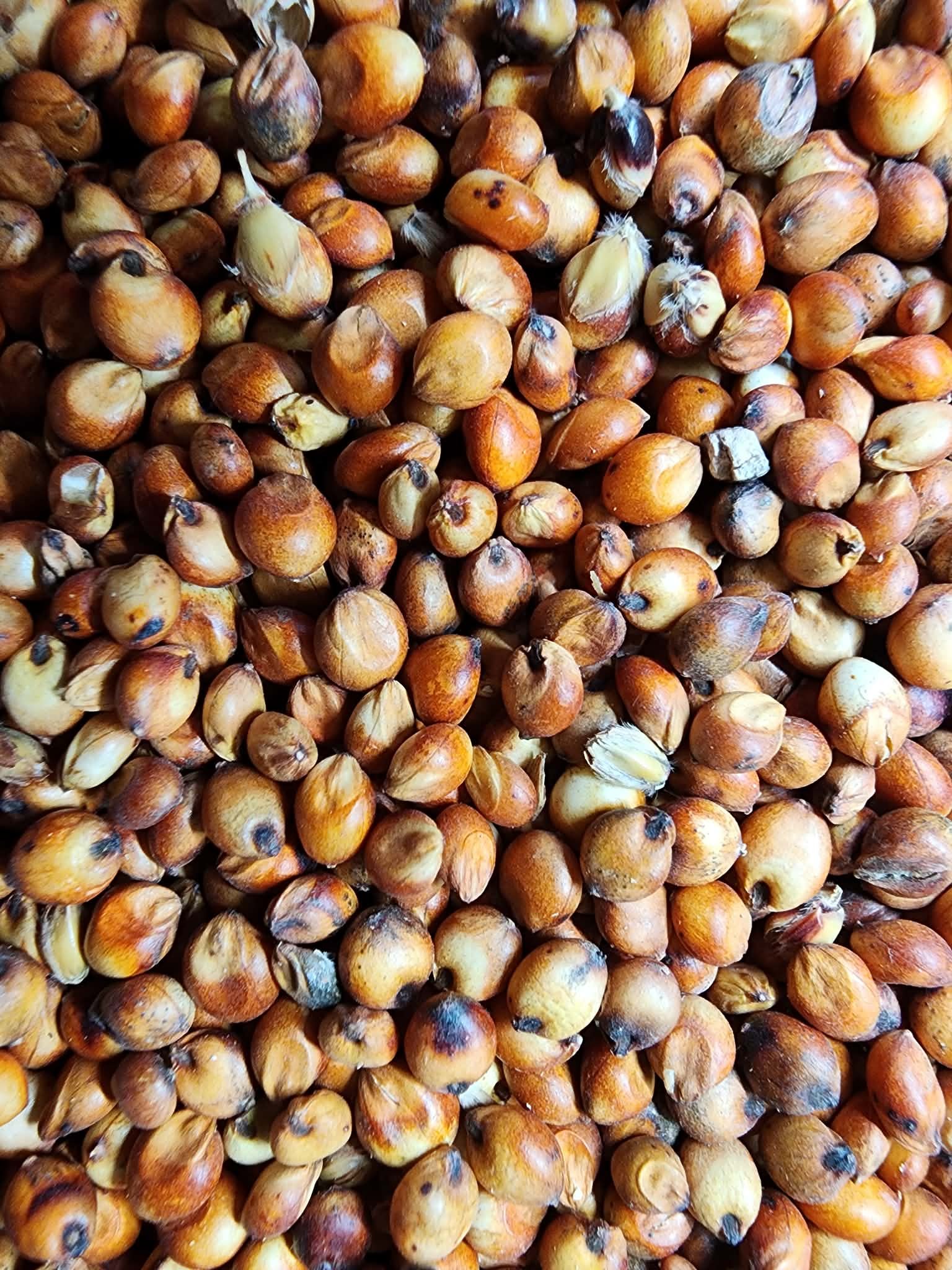
Sorghum is Australia’s most important summer cereal grain and a cornerstone of northern farming systems. Production typically ranges from 1.5 to 3.0 million tonnes annually, with significant year-to-year variability driven by summer rainfall patterns in Queensland and northern NSW.
The vast majority of Australian sorghum is grown for stockfeed — particularly for the intensive poultry, pig and lot-fed beef industries. Sorghum’s competitive advantage over maize in Australia is its superior drought tolerance: once established, sorghum can survive prolonged dry spells that would devastate maize crops.
Key Growing Regions
The Darling Downs in southeastern Queensland is Australia’s most important sorghum-growing region. The region’s fertile black soils (vertosols) with high water-holding capacity are ideally suited to summer grain crops. Central Queensland (around Emerald and Rockhampton) is the second major zone.
🌡️ Drought Superpower
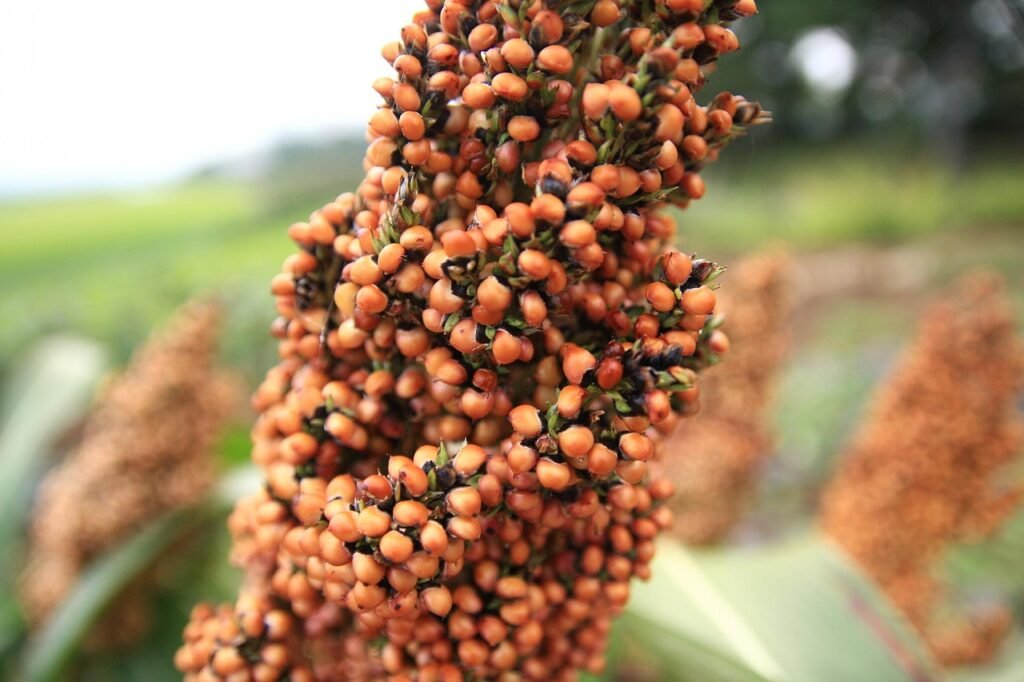
Sorghum has evolved from African dryland environments and has remarkable drought adaptation mechanisms. It can reduce leaf area, curl leaves to reduce transpiration and enter a physiological dormancy during water stress — then resume grain filling when moisture returns.
🐓 Feedgrain Market Role
Australia’s poultry industry (broilers and layers) is the largest single user of sorghum domestically. Sorghum energy content is approximately 95–98% of maize on a dry matter basis, and it can fully replace maize in poultry rations.
🌿 Tannin vs Non-Tannin
Sorghum varieties are broadly classified as tannin (containing condensed tannins) and non-tannin. Non-tannin varieties have higher nutritive value for monogastrics (poultry, pigs) but are more susceptible to bird damage at harvest.
🦜 Bird Damage
Cockatoos, galahs and other parrots can cause devastating losses in sorghum crops as grain fills. Bird losses of 5–30% of yield are not uncommon, making bird management a key part of sorghum agronomy.