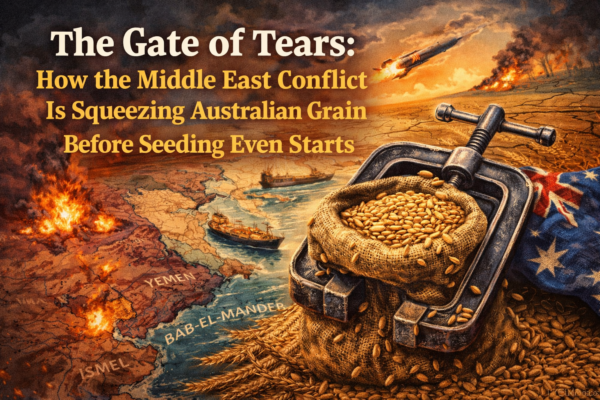

If you took a drive through the Lockyer Valley or out towards the Darling Downs a couple of years back, you would have seen a whole lot of smiling faces and fencerow-to-fencerow chickpeas. But as we stare down the barrel of the May 2026 winter planting window, the mood at the local pub has shifted from celebratory to cautious.
The Queensland chickpea sector has been on an absolute rollercoaster, and the operator pulling the levers is sitting over 9,000 kilometres away in New Delhi.
The Golden Era and the $1,000 Tonne
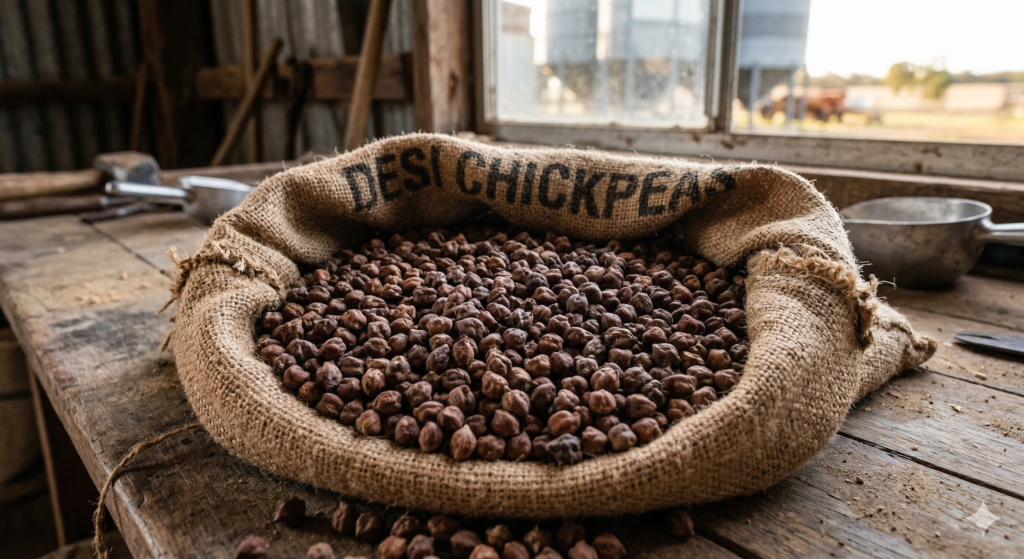
Let’s rewind to early 2024. India, facing a domestic shortfall and a hungry, growing population, dropped its crushing import tariffs on our desi chickpeas. Almost overnight, local prices went gangbusters, rocketing past the magical $1,000-a-tonne mark. Australian growers responded the way any smart farmer would: they planted big. It paid off with a mammoth national export run of nearly 2 million tonnes, with about 1.4 million of those tonnes heading straight to India, injecting serious cash into regional Queensland.
The Tariff Tango Returns
But in global agriculture, the only constant is change. By April 2025, the Indian government—keen to protect its own farmers as their domestic rabi harvest improved—reintroduced a 10% import duty on desi chickpeas.
Since then, the market has been gripped by what traders are calling “tariff anxiety.” Late last year, the rumor mill was working overtime with whispers that India was going to hike that tariff up to 30% to match their policies on yellow peas. While those rumors were eventually dismissed by officials and the tariff remained at 10% (slated to run until March 31, 2026), the sheer uncertainty knocked the wind out of local prices. Those golden $1,000/t days have faded, with recent prices hovering much lower, forcing growers to do some hard math.
The Pivot: Where To Now?
So, what is a Queensland grower to do when the world’s biggest buyer changes the rules of the game? They get creative, and they pivot.
- Holding the Fort: Many growers are simply pulling down the silo lids and sitting on their stock. They’re warehousing their pulses, refusing to sell at a major discount, and waiting for the global market to blink.
- New Horizons: With India’s buying pace slowing down, our exporters are looking elsewhere. Pakistan, Bangladesh, and the UAE are stepping up as crucial bulk-buying destinations. While they might not always match the premium prices India used to pay, they offer a reliable pressure valve for our stockpiles.
- The Winter Crop Shuffle: As the air seeders get serviced for May sowing, agronomists are working overtime on gross-margin spreadsheets. If the chickpea price doesn’t show signs of life soon, we might see a significant shift back toward wheat and barley for instant cash flow, reserving chickpeas only for the paddocks that desperately need a nitrogen fix.
The Bottom Line
The Queensland chickpea boom isn’t necessarily over, but the easy money has definitely left the building. Surviving this current squeeze will require sharp marketing, a keen eye on geopolitical trade winds, and the classic resilience that defines Australian agriculture.
As we inch closer to planting time, all eyes are on New Delhi’s next move. Will they extend the current 10% tariff, hike it up, or surprise us again? In the great Indian tariff tango, our growers are left waiting on the dance floor for the music to start.